Frequent breaker trips
Breakers that trip regularly may indicate overloaded circuits or insufficient capacity.
Before installing solar panels, Regina homeowners should confirm that their electrical panel, grounding system, wiring, meter location, and service capacity can safely support the new system.
Interest in residential solar energy is growing across Saskatchewan as homeowners look for ways to reduce electricity costs and increase energy independence. With SaskPower net metering opportunities and strong solar potential, Regina can be a practical location for a residential solar investment.
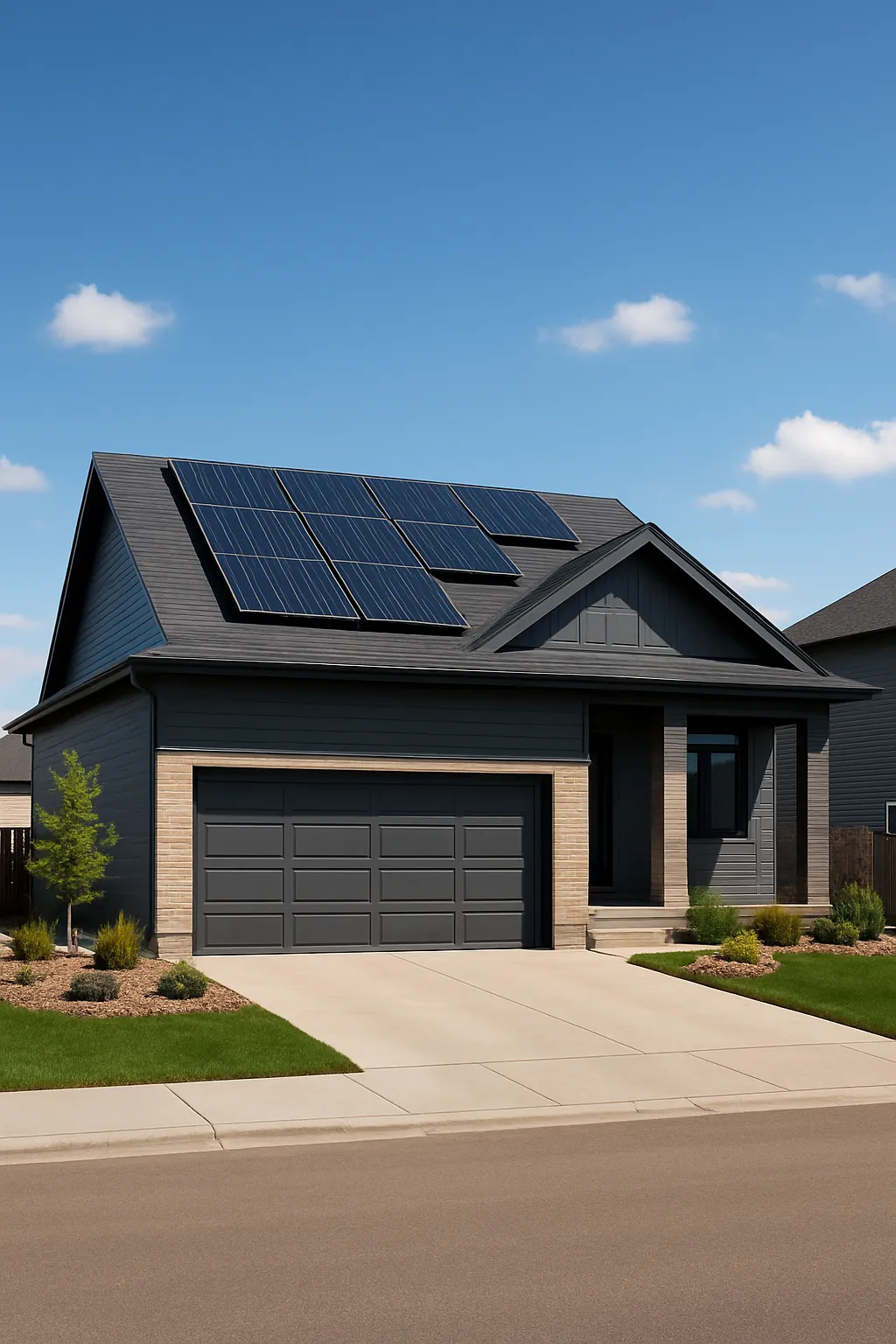
Solar panels do not simply connect to the roof. They become part of your home's electrical system. The electricity generated by the array must safely connect with your electrical panel before it can power appliances or send excess electricity back to the grid.
An early electrical assessment can identify panel limitations, grounding concerns, insufficient service capacity, outdated wiring, and potential inspection issues before you purchase solar equipment.
Your solar equipment and existing electrical system must operate as one safe, code-compliant system.
The electricity generated by your solar array must safely integrate with your home's electrical panel before it can power appliances or send excess electricity back to the grid.
An outdated or undersized electrical system can lead to:

Your electrical panel is the control centre for your home's electricity, including the power generated by a future solar system.

Many Regina homes built several decades ago still operate with electrical panels that were not designed for modern household demand or residential solar generation.
If you are adding solar while also planning an EV charger, heat pump, hot tub, battery system, or additional electric appliances, your current panel may no longer provide enough capacity.
Breakers that trip regularly may indicate overloaded circuits or insufficient capacity.
Unexplained flickering can point to loose connections, overloaded circuits, or other electrical concerns.
Solar equipment requires a safe connection point and sufficient space within the electrical panel.
Older fuse-based systems may require replacement before modern solar equipment can be connected.
A 60-amp or 100-amp service may not support solar alongside growing household electricity demand.
Rust, corrosion, burning odours, heat marks, or unusual sounds should be professionally evaluated.
Grounding is one of the most important and frequently overlooked parts of a home's electrical system.
A properly grounded electrical system helps protect your family, appliances, and solar equipment by safely directing fault currents away from your home's wiring.
During a solar installation, the electrical grounding system should be inspected to confirm that it complies with current safety requirements and can support the new equipment.
Older Regina homes may require grounding improvements before solar equipment can be installed safely.

A residential solar system must satisfy applicable utility, inspection, equipment, and electrical safety requirements before it can be connected to the grid.
Required electrical work should be properly permitted before the installation proceeds.
The project may require review and approval before the system can operate through a grid connection.
Solar modules, inverters, disconnects, and related equipment should meet applicable certification requirements.
Completed electrical work must be checked for safety and code compliance.
The inverter must be properly sized, located, connected, and protected.
Final authorization may be required before the system can export excess electricity to the grid.
Solar is not always the only electrical improvement required. Coordinating related upgrades can make the home safer and better prepared for future energy demand.
Larger homes with increasing electrical demand may benefit from a higher-capacity electrical service.
A modern panel can provide additional breaker space for solar equipment and future electrical upgrades.
Whole-home surge protection can help protect sensitive electronics and solar inverters from voltage spikes.
Planning circuits for an EV charger, battery system, or other equipment can simplify future installation work.

Schedule a professional electrical assessment before purchasing solar equipment or signing a final installation agreement.
An electrician can assess:
Many Regina homeowners consider solar as one part of a larger home energy strategy.
Planning future equipment at the same time as your solar project allows an electrician to evaluate total electrical demand rather than treating each improvement as a separate project.
Identify how much electricity the household currently uses and where demand may increase.
Include planned vehicles, heating systems, batteries, appliances, and home additions.
Select a panel and service strategy that supports both the solar system and future household needs.

Solar projects can involve multiple trades, but your home's electrical infrastructure should always be evaluated by qualified professionals.
Whether the property requires a panel upgrade, grounding improvement, or complete electrical assessment, review what a Licensed electrical service checks before major electrical work.
Review electrical inspection informationHomeowners researching broader electrical upgrades can also review practical planning information from an electrician in Victoria.
View the electrical service resourceInstalling solar panels is a significant investment. Confirming that your home's electrical panel, grounding system, wiring, meter, and service capacity are ready is an important first step toward a safe, efficient, and code-compliant installation.
A professional electrical assessment can identify required upgrades before installation begins and help your home accommodate both its current electrical needs and future energy improvements.
Complete these checks before finalizing the solar installation scope or signing a project agreement.